

Fisher & Paykel Healthcare Breaks NZ$1bn in a Half for the First Time
A superior nasal high flow product and a hospital capital expenditure-driven model, rather than reimbursement dependence, are driving record growth.
30 Jun 2026 · 3 min read
In short
Fisher & Paykel Healthcare surpassed NZ$1 billion in half-year revenue for the first time, with hospital revenue up 17% and homecare revenue up 10%, alongside 110 basis points of gross margin expansion.
First Sentier Investors highlights the business isn't reliant on reimbursements but on hospital capital expenditure budgets, with its superior nasal high flow product changing clinical practice.
Ten Cap sees upside from declining US flu vaccination rates increasing demand for respiratory products, while TMS Capital notes the stock can be bought in an earnings upgrade cycle trading 30% below its highs.
Fisher & Paykel Healthcare delivered a genuinely strong first-half result, surpassing NZ$1 billion in half-year revenue for the first time, with fund managers valuing its differentiated nasal high flow products and hospital capital-expenditure-driven, rather than reimbursement-dependent, business model, positioning it to benefit from a potential stronger US flu season amid declining vaccination rates.
A record-breaking half-year result
Ten Cap said it added Fisher & Paykel Healthcare, positioned to benefit significantly from a stronger flu season in the United States, with data suggesting vaccination rates have declined in recent years, creating upside risk to current earnings forecasts as demand for respiratory products increases. Selector Funds Management said the company announced a strong first-half FY26 result, with revenue growing 14 percent, 12 percent in constant currency, to NZ$1.09 billion, marking the first time it had surpassed NZ$1 billion of revenue in a half, with all segments performing well, hospital revenue growing 17 percent to NZ$692 million and homecare revenue growing 10 percent to NZ$396 million, alongside gross margin expansion of 110 basis points.
Fisher & Paykel Healthcare announced a strong HY26 result, with revenue growing 14% (12% cc) to NZ$1.09b, marking the first time the company surpassed NZ$1b of revenue in a half. All segments performed well, with hospital revenue growing 17% (15% cc) to NZ$692m and homecare revenue growing 10% (8% cc) to NZ$396m.
— Selector Funds Management, Monthly Report, November 2025
A hospital CapEx business, not reimbursement dependent
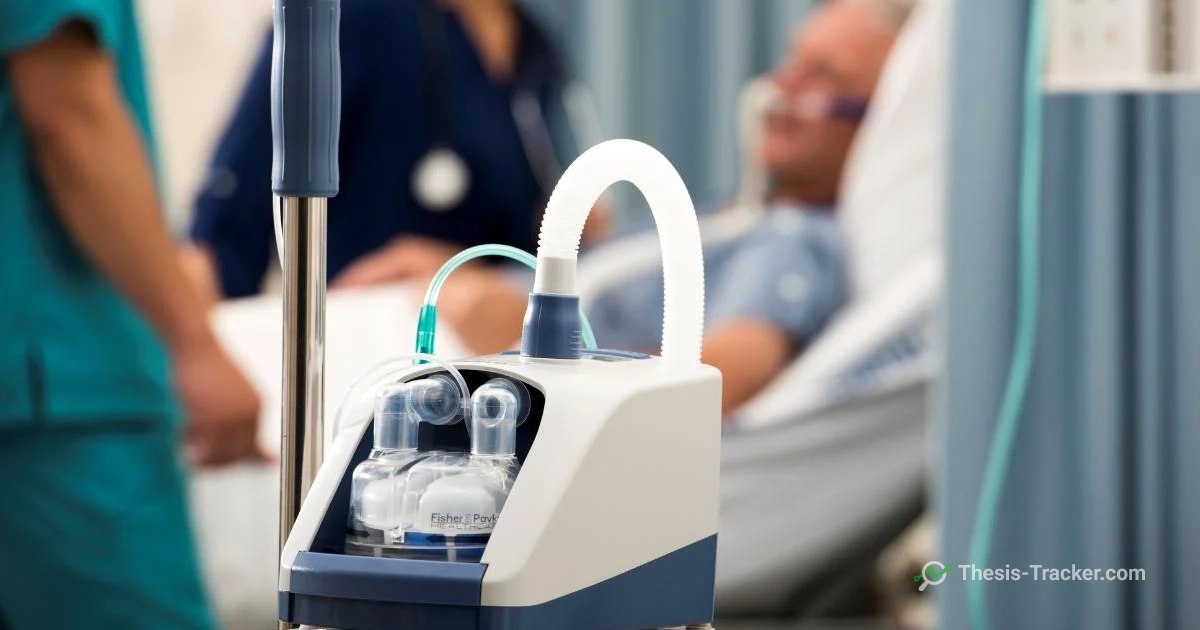
Firetrail Investments said Fisher & Paykel sits in the growth space but in the physical world, so investors don't have to worry too much about AI, explaining most people think fridges when they hear the name, but the company actually operates in the hospital setting, with its core offering an alternative to traditional oxygen masks and ventilators for patients presenting with respiratory illness. First Sentier Investors joked about acquiring a Kiwi company and calling it Australian, describing an amazing healthcare business especially in hospitals that is not reliant on reimbursements, but literally on the capital expenditure budget of the hospital, with its nasal high flow product superior, changing clinical practice and delivering better clinical outcomes.
It's got an amazing healthcare business, especially in hospitals. It's not relying on reimbursements, it's literally the CapEx budget of the hospital. Their nasal high flow product is superior, changing clinical practice and getting better clinical outcomes.
— First Sentier Investors, Article, June 2026
An earnings upgrade cycle trading well below its highs
TMS Capital said that in the healthcare space, Fisher & Paykel is a great business, one of those you can buy in an earnings upgrade cycle while trading 30 percent below where it was previously.
A well-received FY26 result beats conservative guidance
Pendal Group said the stock rose 12.7 percent after its FY26 result was well received given concerns going into it, with guidance, usually conservatively stated, pitched at the upper end of the consensus range, the core Hospital business continuing to perform with particular strength in Devices, which tends to be lumpy, and Consumables growing 16 percent, ahead of long-term targets, though the Homecare business proved tougher.
Guidance, which is usually conservatively stated, pitched at the upper of the consensus range. The core Hospital business continues to perform, with particular strength in Devices, which tends to be lumpy. Consumables grew 16%, which is ahead of long term targets.
— Pendal Group, Newsletter, June 2026
What fund managers say they are watching next is whether a stronger US flu season materialises given declining vaccination rates, continued outperformance in Consumables ahead of long-term targets, delivery on conservative guidance pitched at the upper end of consensus, and whether Homecare's tougher conditions stabilise.
Questions
Why is Fisher & Paykel Healthcare's business model considered defensive?
First Sentier Investors notes the company's hospital business isn't reliant on government reimbursements but literally on hospital capital expenditure budgets, with its superior nasal high flow product changing clinical practice and delivering better outcomes.
How strong was Fisher & Paykel Healthcare's first-half FY26 result?
Fisher & Paykel Healthcare surpassed NZ$1 billion in half-year revenue for the first time, up 14%, with hospital revenue growing 17% to NZ$692 million and homecare revenue growing 10% to NZ$396 million.
Why might Fisher & Paykel Healthcare benefit from a stronger US flu season?
Ten Cap notes declining US flu vaccination rates in recent years create upside risk to earnings forecasts as demand for respiratory products increases during flu season.
13 managers, 28 comments, with each manager's latest recorded position.
See FPH